
Introduction
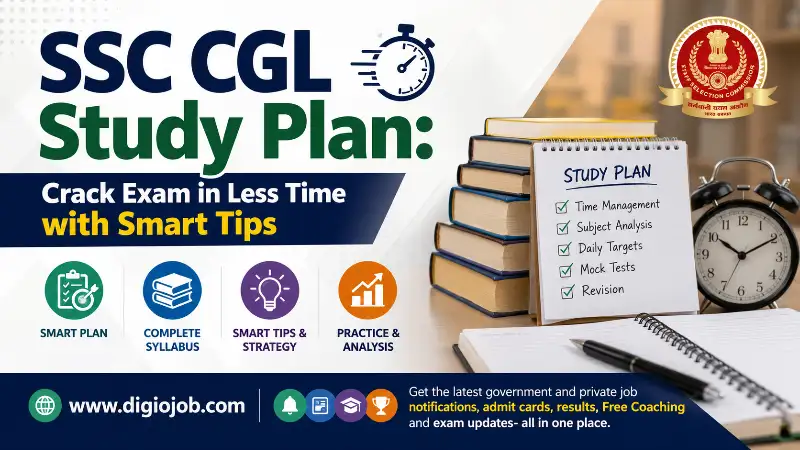
Preparing for the SSC CGL exam can feel overwhelming, but a well‑structured study plan can cut down the preparation time dramatically. In this article we’ll walk you through a time‑tested roadmap that balances syllabus coverage, practice, and revision, helping you clear the SSC CGL in the shortest possible period.
Why a Structured Plan Matters
When you have a clear roadmap, each study session has a purpose, reducing guesswork and unnecessary repetition. A strategic plan not only maximizes productivity but also lowers stress, keeping you focused on the key topics that dominate the SSC CGL paper. Without a plan, you risk spending hours on low‑yield subjects while neglecting the high‑impact areas that can boost your overall score.
1. Understand the SSC CGL Exam Pattern
The SSC CGL consists of two stages: Tier‑1 (objective type, 200 marks) and Tier‑2 (subject‑wise written exams). Knowing the exact subjects, weightage, and negative marking helps you allocate time intelligently.
Tier‑1 covers General Intelligence & Reasoning, General Awareness, Quantitative Aptitude, and Comprehensive English.
Tier‑2 branches into separate papers for each subject – Hindi, English, etc.
A deep grasp of the pattern enables you to set realistic targets for each mock test and focus on high‑impact areas.
Key Takeaways
Identify the weightage of each section, note the difficulty level trends from previous years, and list the must‑read books for each topic.
2. Build a Realistic Timeline (3‑Month Blueprint)
A 3‑month plan is popular among serious aspirants because it balances depth and breadth. Below is a day‑wise template you can customize.
Week 1‑4: Foundation Building
Days 1‑7: Complete General Awareness basics using current affairs notes and NCERT 6‑12 history/geography. Read daily newspapers and summarize one article each day.
Days 8‑14: Focus on Quantitative Aptitude – ratios, percentages, profit & loss, and number series. Practice 20 questions daily and keep a formula sheet handy.
Days 15‑21: Dive into Reasoning Ability – syllogism, coding‑decoding, and blood relations. Use visual diagrams to internalize logical patterns.
Days 22‑28: Master Comprehensive English – grammar rules, vocabulary, and para‑jumble. Shadow daily with a notebook and revise after every study block.
Week 5‑8: Intermediate Practice
Rotate daily practice of 20 MCQs from each subject, gradually increasing difficulty. Start taking full‑length mock tests every weekend and analyse errors with a spreadsheet tracking accuracy, time taken, and topic.
Week 9‑12: Speed & Revision
Prioritise speed – solve previous year papers under timed conditions. Parallel schedule a weekly revision slot of 2 hours for each subject, using flashcards for quick recall.
3. Subject‑Wise Prioritisation
Not all topics yield equal marks per hour of study. High‑yield subjects for quick score increments are Quantitative Aptitude and General Awareness. Allocate extra time to these, then cover the remaining sections. In early stages, target a minimum of 70% accuracy in these subjects before moving on.
4. Effective Study Techniques
Technical skills like the Pomodoro Technique (25‑minute focused bursts followed by a 5‑minute break) keep concentration high. Use active recall cards for vocabulary and formula sheets for quick revision. Additionally, the Feynman technique works well for explaining concepts aloud to yourself, solidifying understanding.
5. Time Management Techniques
Even with a plan, you must manage daily time efficiently. Create a realistic to‑do list each morning, rank tasks by importance, and stick to a 50‑minute core study block before taking a 10‑minute micro‑break. Use a timer to enforce discipline and avoid digital distractions.
6. Maximising Mock Tests
Mock tests are not just practice; they simulate exam pressure. After each test:
Review wrong answers immediately.
Latest News & Updates
Haryana Police SPO Recruitment 2026: 400 Special Police Officer Posts, Walk-In 24 Aug
GENERAL10वीं-12वीं पास के लिए हाई कोर्ट में नौकरी
JOB NOTIFICATIONIndia Post Office Staff car driver recruitment 2026
JOB NOTIFICATIONयूपी पुलिस कॉन्स्टेबल डीवी-पीएसटी 17 अगस्त से स्टार्ट होने हैं। ऐसे में अभ्यर्थी सभी अनिवार्य दस्तावेज पहले से ही तैयार करके रखें
Note the reason for errors – concept gap, careless mistake, or time pressure.
Update your weakness log (a simple table with date, topic, error type, and corrective action) and schedule targeted practice.
Track your percentile improvement weekly. If your score stagnates for two consecutive tests, revisit your study plan and consider extra classes or alternate study materials.
7. Documenting Progress
Maintain a study journal. Record daily hours, topics covered, and any breakthrough moments. Over time you’ll notice patterns (e.g., certain topics consistently take longer) and can reallocate time accordingly. Digital tools like Google Sheets or dedicated apps help you visualize progress with charts.
8. Revision is Non‑Negotiable
Schedule a daily 30‑minute micro‑revision slot for each subject. Over a month, these short sessions add up to several hours of reinforcement without burnout. Use spaced repetition apps (Anki) for formulas, vocabulary, and important dates.
9. Stay Updated with Notifications
SSC CGL notifications often include changes to the syllabus or exam dates. Bookmark the official SSC website and set Google Alerts for “SSC CGL 2026 notification” to receive instant updates. Also, follow DigioJob’s official channels for curated updates tailored for Indian aspirants.
10. Manage Stress and Wellness
Burnout can derail even the best plans. Incorporate short physical walks, proper sleep (7‑8 hours), and mindfulness apps into your routine to stay sharp. A balanced diet rich in proteins and omega‑3s can improve concentration. Remember, consistency over a month is better than frantic cramming in the final week.
11. Recommended Resources
Use trusted materials: RK Jain for quantitative aptitude, BS Sijwal for reasoning, and Lucent’s General Knowledge for awareness. For English, start with Wren & Martin and supplement with daily news editorials. Subscribe to DigioJob’s SSC CGL video module library for expert explanations and doubt‑clearing sessions.
12. Common Pitfalls to Avoid
Copying study schedules from peers without assessing your own speed often leads to overwhelm. Also, neglecting weak areas or skipping revision can cost marks. Keep a realistic log and adjust weekly. Falling for the trap of “more study = better result” can also reduce efficiency; focus on quality over quantity.
13. Using Technology Wisely
Digital platforms can accelerate learning. Use apps like Byju’s or Unacademy for short video summaries of complex topics. Also, join discussion forums on DigioJob to exchange tips and stay motivated. However, limit social media usage to dedicated break periods only.
14. Staying Motivated
Set micro‑goals (e.g., complete 15 quantitative problems daily). Celebrate each milestone with a small reward—perhaps a favorite snack or a short gaming session. Track your progress visually; seeing upward trends fuels motivation.
15. Final Checklist Before Exam Day
Verified admit card and ID.
Review latest exam pattern changes.
Pack essential study materials – formula sheets, notebooks, and a calculator.
Get adequate rest the night before.
Prepare a light lunch and keep hydration bottles ready.
How DigioJob Supports Your SSC CGL Journey
At DigioJob, we go beyond just articles. Our interactive doubt‑solving sessions, expert‑crafted video modules, and curated mock test series are designed to align with the timeline above. Subscribe to our SSC CGL preparation bundle to receive personalized feedback, regular performance analytics, and free access to our community forum where you can discuss strategies and stay motivated.
Conclusion
Cracking SSC CGL in less time is possible when you pair a clear study plan with disciplined execution. Follow the blueprint outlined here, leverage quality resources, and stay consistent. With the right strategy, you’ll not only clear the exam but also secure a rewarding position in the Indian bureaucracy.